

DRONES & UNMANNED AERIAL VEHICLES NDT
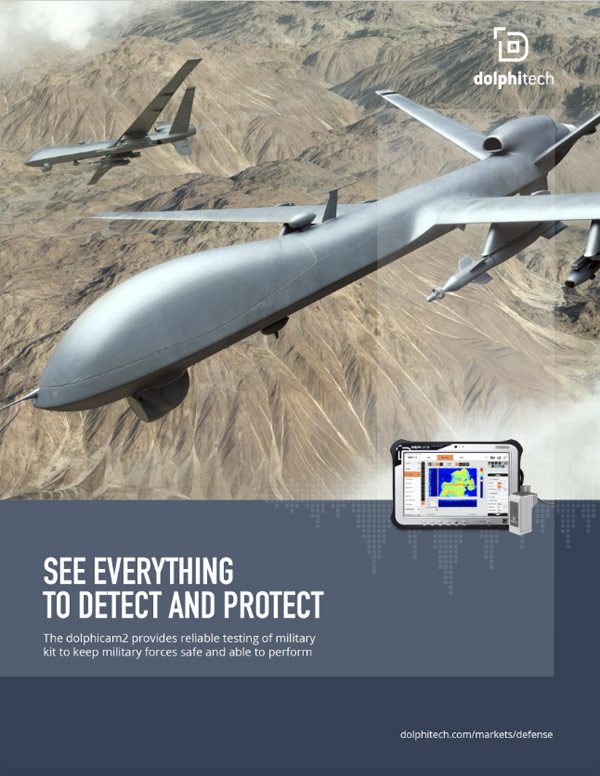
Operational readiness of military UAVs depends on the structural integrity of their composite airframes. The dolphicam2 delivers rapid, high-resolution NDT inspection on-site, without specialist operators or laboratory turnaround.
TECHNOLOGY
Matrix Array Ultrasonic Testing: Military UAV NDT
Matrix Array Ultrasonic Testing (MAUT) is more than just an innovative, user-friendly and data-rich product suitable for all operator skill levels. For military UAV operations, where rapid assessment of composite airframes is critical to mission readiness, MAUT is the most practical and capable field-deployable NDT solution available.
The Role of NDT in Military UAV Operations
Non-destructive testing is the first and most critical line of defense for ensuring the structural integrity of military UAV assets. Modern military UAVs are constructed predominantly from carbon fibre reinforced polymer (CFRP) and other composites — materials that offer the lightweight, high-strength performance essential for UAV operations, but that require specialist NDT techniques to inspect reliably. Damage that would be visible on a metal airframe is often entirely invisible on the surface of a composite structure, making volumetric ultrasonic inspection essential.
Tailored Solutions with dolphicam2
The Dolphicam2’s Transducer Modules (TRMs) can be selected and configured to suit the inspection requirements of a wide range of UAV structures and material thicknesses. Designed for flexibility and ease of deployment, the system can be effectively operated by personnel with a basic understanding of ultrasonic testing principles, making advanced inspection more accessible across diverse teams. Training and qualification requirements can be aligned with applicable industry standards, manufacturer recommendations, and operator or asset owner specifications, ensuring compliance while minimizing complexity and supporting efficient implementation in demanding environments.
Comprehensive Data and Secure Reporting
With the dolphicam2 you get all the benefits of a PAUT system, including C-Scan data (the only live C-Scan technology available), B-Scan data, A-Scan data and unique live 3D rendering, without the complexity. In three steps, a full inspection report can be generated and transferred via secure data pathways. The dolphicam2 Military Spec model has all wireless communications disabled as standard, ensuring data remains secure in theatre and during classified operations.

INDUSTRY STANDARDS
Upholding Industry Standards with dolphitech’s Approvals
Industry standards are the foundation of military NDT, ensuring compliance, safety and operational security. dolphitech holds several key approvals that underscore our commitment to these standards.
ASTM 3370-24
The dolphicam2 is compliant with ASTM 3370-24, the Standard Practice for Matrix Array Ultrasonic Testing of Composites, Sandwich Core Constructions, and Metals, giving operators across all environments confidence that the technology has been independently validated.
Agile Combat Employment (ACE)
The dolphicam2 is certified for the U.S. Air Force’s Agile Combat Employment program. Its modular design, seven-step setup and 60-second readiness from case to first scan make it one of the most ACE-compatible NDT platforms available. Dolphitech’s global partner network and 24-hour support ensure NDT capability is never a constraint on operational tempo.
Modular Open System Architecture (MOSA)
The dolphicam2 is aligned with MOSA requirements, supporting the DoD’s need for adaptable and interoperable equipment throughout its lifecycle.
NATO Stock Number
The dolphicam2 holds NATO Stock Number NSN 6635-20-A0Z-0556, enabling streamlined procurement and logistics across NATO member nations.
COMPOSITES
The Role of Composites in Military UAVs
The performance demands placed on military UAVs — endurance, low radar signature and survivability — make composites the only practical choice for airframe construction. CFRP delivers an unmatched strength-to-weight ratio alongside design flexibility, enabling complex aerodynamic structures to be manufactured as integrated components with minimal joints.
The Inspection Challenge
Composites do not exhibit visible surface deformation when subjected to impact. A UAV that has sustained a hard landing, foreign object strike or battle damage may show no outward sign of internal structural compromise. Delaminations, disbonds and porosity within the laminate are invisible to the eye but can critically reduce the load-carrying capability of the structure.
For military operators, acting on incomplete inspection data is not an option. Rapid, reliable and field-deployable composite NDT is a maintenance and operational necessity.
This requirement for certainty is even more critical in the production of mission-specific UAV platforms, including single-use and loitering UAV systems, where there is no opportunity for post-deployment inspection or maintenance. In these cases, composite inspection during UAV manufacturing is essential. The dolphicam2 enables rapid, high-resolution NDT inspection of drone composites, detecting delaminations, disbonds and porosity before deployment and ensuring every airframe is structurally sound and mission ready.
What the dolphicam2 Inspects on a Military UAV
Wing skins and spars, fuselage sections, bonded control surfaces, honeycomb sandwich panels and composite repair validation — the dolphicam2 covers the full scope of composite inspection requirements across the UAV airframe. Large area C-Scan maps can be built up by manual scanning without encoders or additional tooling.
FIELD MAINTENANCE AND BATTLE DAMAGE ASSESSMENT
Deployed units cannot return assets to a maintenance facility for every inspection. At 3kg total system weight, with a five to six hour continuous battery life, IP66 ingress protection and an operational temperature range of -20 to +50 degrees Celsius, the dolphicam2 is built for the conditions encountered in military operations.
When a UAV sustains potential damage, the dolphicam2 gives maintenance personnel the ability to assess the composite airframe rapidly and accurately on-site — providing the data needed to make a confident return-to-service decision without waiting for laboratory support.
SUPPORT
World-Class Support for Defense Operators
Dolphitech’s technicians are strategically placed across America and Europe, ensuring assistance is available across all time zones. For deployed operations, the dolphicam2’s onboard self-calibration process keeps equipment operational without the need to return it for service. Dolphitech’s service packages ensure that operational units are never without a functional NDT capability — whether through repair, service or loan equipment.
A PORTABLE, SECURE AND FIELD-READY NDT PLATFORM
The dolphicam2 Military Spec is designed for the demands of defense operations. Minimal training, modular components, secure data handling and 24-hour global support — everything needed to keep UAV assets assessed, sentenced and returned to service without delay.
FAQs
What is NDT inspection of military drones/UAVs?
Non-destructive testing of military drones/UAVs is the process of inspecting the structural integrity of a drone’s airframe without causing any damage to it. Because modern military UAVs are built predominantly from composite materials such as CFRP, internal damage from impacts, hard landings or battle damage is often invisible on the surface. NDT techniques such as ultrasonic testing allow inspectors to see inside the structure and detect delaminations, disbonds and porosity before they compromise the aircraft’s structural integrity or mission readiness.
Why do military drones need composite inspection?
Military UAVs are constructed from composite materials because they offer the best combination of strength, low weight and low radar signature. However, composites do not deform visibly when damaged — a drone can sustain a significant impact and show no outward sign of internal structural damage. Without volumetric inspection techniques, that damage goes undetected, creating a structural risk and a potential mission failure. Composite NDT inspection is therefore a maintenance and operational necessity, not an optional quality check.
How are military UAV composites inspected in the field?
Field inspection of military UAV composites is carried out using portable ultrasonic testing equipment that can be deployed without laboratory facilities or specialist infrastructure. The dolphicam2 is a 3kg matrix array ultrasonic system that is operational in under 60 seconds and produces live C-Scan images of composite structures directly on-site. It requires only a Level 2 UT qualification to operate, meaning frontline maintenance personnel can carry out inspections without PAUT-certified operators.
Can loitering munitions and single-use UAVs be inspected before deployment?
Yes. For single-use UAV platforms including loitering munitions, there is no opportunity for post-deployment inspection, making pre-deployment composite inspection during manufacturing critical. The dolphicam2 enables rapid, high-resolution NDT of drone composite structures during production, detecting delaminations, disbonds and porosity before the platform is deployed and ensuring every airframe is structurally sound and mission ready.
What is battle damage assessment for drones?
Battle damage assessment for drones is the process of inspecting a UAV after it has been exposed to potential damage — whether from enemy action, a hard landing, a foreign object strike or adverse operational conditions — to determine whether it is safe and structurally sound enough to return to service. For composite airframes, this requires ultrasonic inspection to identify any internal damage that is not visible on the surface. The dolphicam2 enables rapid on-site battle damage assessment, giving maintenance teams the data they need to make a confident return-to-service decision without sending the asset back to a maintenance facility.
What defects can occur in military UAV composite structures?
The most common defects found in military UAV composite airframes are delaminations, where plies within the laminate separate from each other; disbonds, where the adhesive bond between skin and core fails; and porosity, where voids form within the resin matrix during manufacture. All three can significantly reduce the load-carrying capability of the structure and none are detectable through visual inspection or tap testing alone.
CASE STUDIES
Learn how dolphitech has revolutionised the world of inspections for our customers
RELATED PRODUCTS
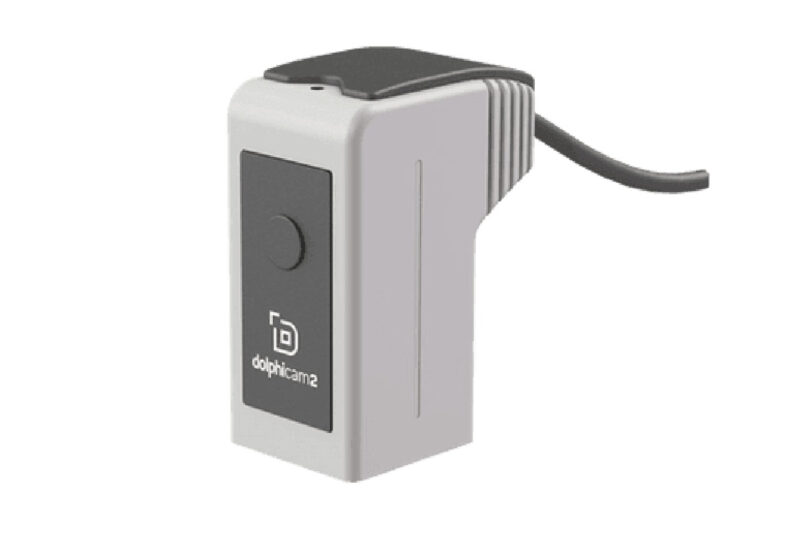
TRM 3.5 MHz
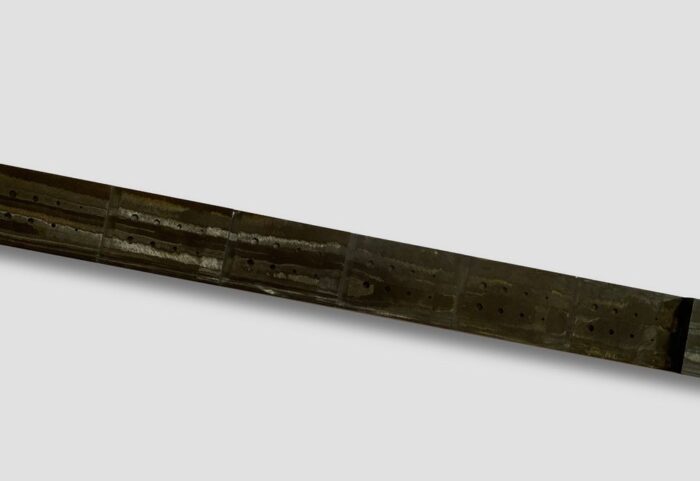
The 3.5MHz transducer module (TRM) is an excellent choice for CFRP applications.
MAUT Transducers (TRMs)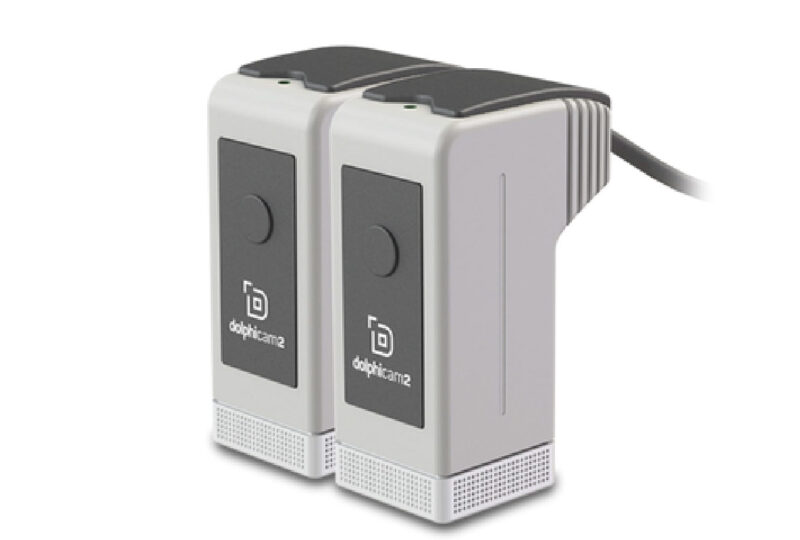
MxTTU
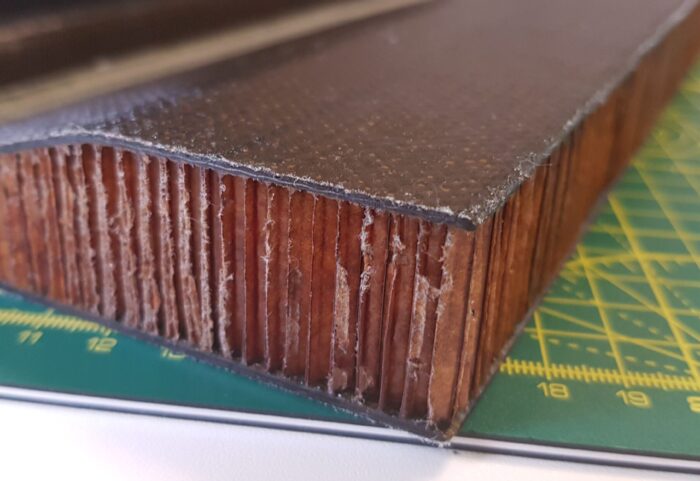
MxTTU™ makes the assessment of complex materials from multiple-bond layers to honeycomb or foam cores far simpler.
MAUT Transducers (TRMs)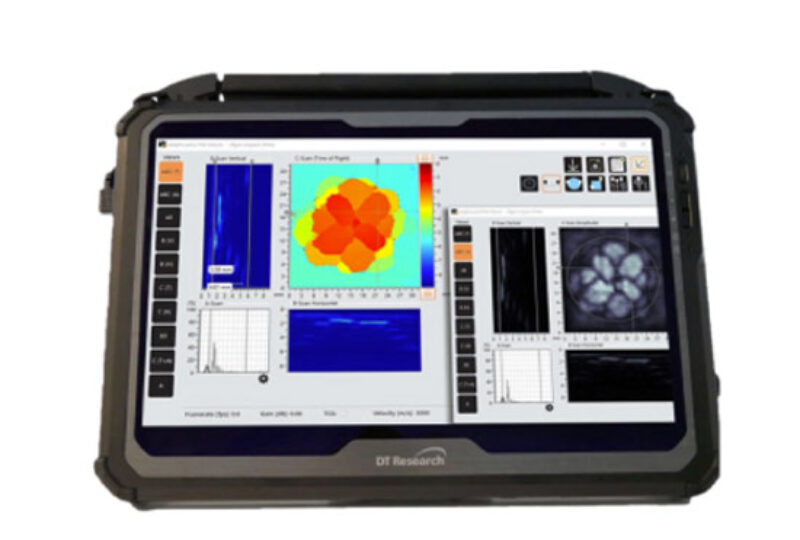
Dolphicam2+ Military Spec
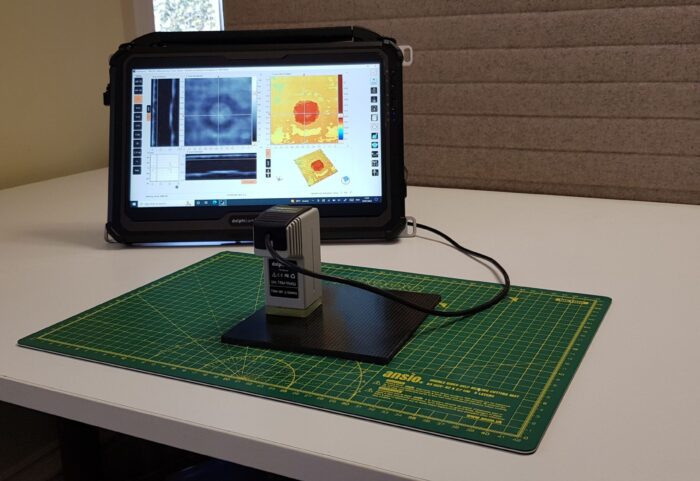
Portable, rugged NDT system designed for the defense market, featuring the largest screen (14″) on the market, secure wireless connections, and rapid setup for advanced ultrasonic flaw detection.
MAUT Core Units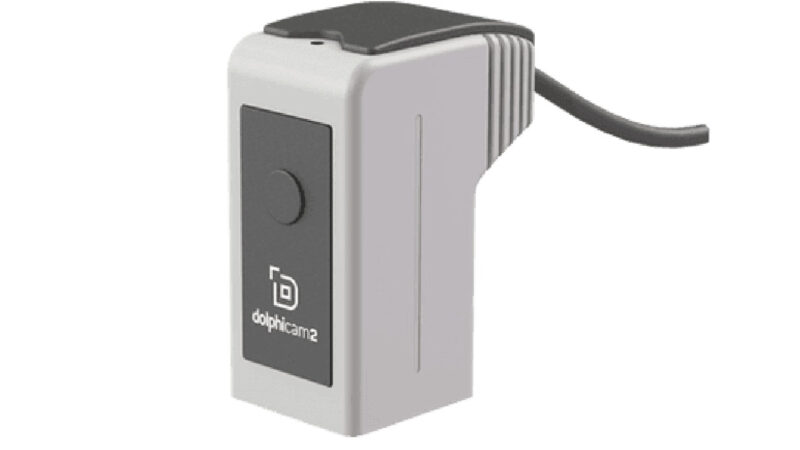
TRM 3.5 MHz
The 3.5MHz transducer module (TRM) is an excellent choice for CFRP applications.
MAUT Transducers (TRMs)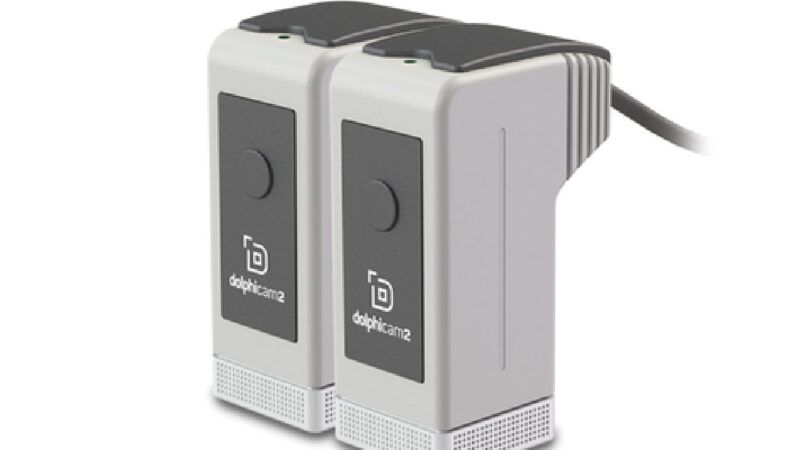
MxTTU
MxTTU™ makes the assessment of complex materials from multiple-bond layers to honeycomb or foam cores far simpler.
MAUT Transducers (TRMs)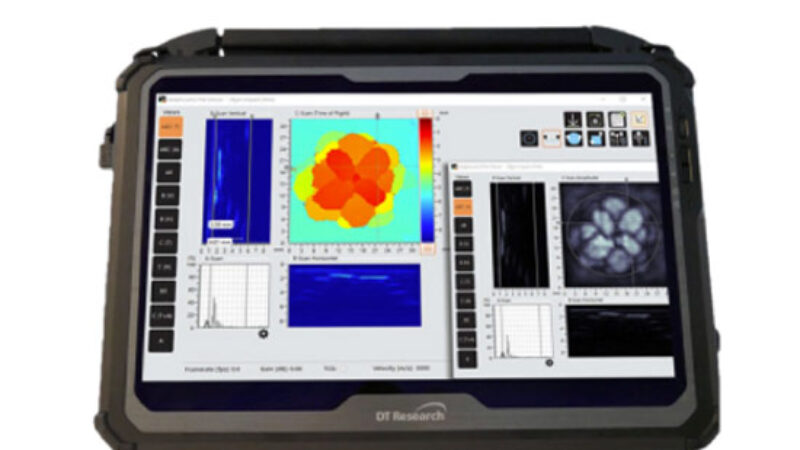
Dolphicam2+ Military Spec
Portable, rugged NDT system designed for the defense market, featuring the largest screen (14″) on the market, secure wireless connections, and rapid setup for advanced ultrasonic flaw detection.
MAUT Core UnitsREQUEST A QUOTE OR SUBMIT AN ENQUIRY
Need help with product information?
Get in touch with our experts for information or a quotation.