

KNOW THE STATUS OF YOUR VESSEL’S SAFETY, PERFORMANCE,
AND EFFICIENCY
Across the private, defence and commercial marine industry, insurers and governing bodies alike have placed an increasing emphasis on the importance of NDT inspection of craft.
Due to the complexity and size of marine equipment, NDT is key to detecting and evaluating defects in materials. Flaws can affect material in different ways and these can be caused by corrosion or fatigue. NDT is important for everything from hull inspection to piping surveys to guarantee structural integrity, as flaws or cracks can lead to loss of strength or failure in service.

CUTTING-EDGE MATRIX ARRAY TECHNOLOGY TO ACCURATELY
IDENTIFY AND CHARACTERISE DAMAGE
Dolphitech’s flagship ultrasonic testing (UT) platform, dolphicam2 uses cutting-edge matrix array technology to accurately identify and characterise damage, defects, and degradation. It can perform UT inspections faster and more accurately that some traditional UT methods, saving both time and costs in inspection and evaluation. This makes it an excellent choice to use on vessel structures and their components.
The dolphicam2 can determine the thickness and condition of masts and spars, and, through comparison to the design and interpretation of the signal changes, identify voids, porosity and inclusions in the laminate. It can also detect impact damage, corrosion and help determine degradation rates and remaining life on hulls.
Acquiring reliable, verifiable visual inspection data that stands up to scrutiny, ready for analysis and reporting is essential in Marine NDT and the dolphicam2 delivers exactly that. It’s an innovative, accessible, cost-effective solution to meet the challenges of the market.
YOUR ASSETS ARE IN EXPERIENCED HANDS
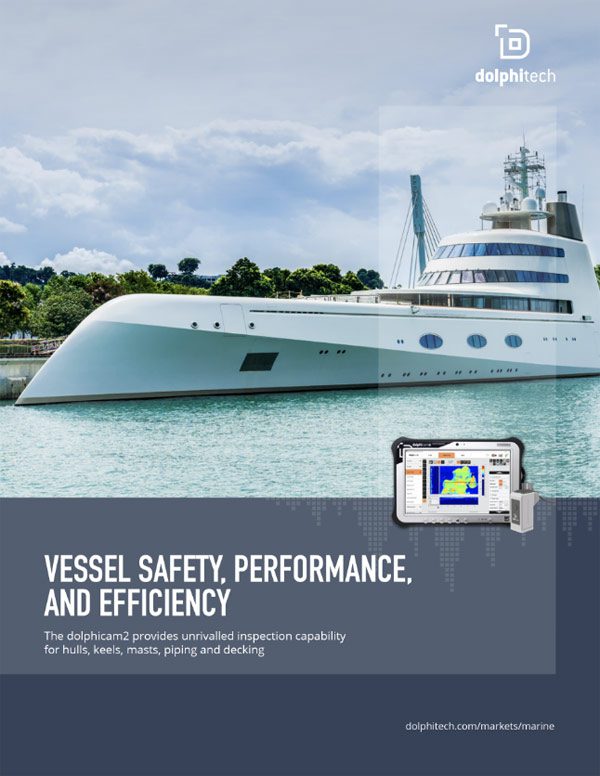
Increasingly insurers are requesting manufacturers use NDT to improve product development. Using the dolphicam2 regularly could be the difference between a few quick repairs rather than a replacement or dry-docking. Our heritage in research and development means we have become an established technology leader in industrial ultrasonic scanning technology, providing NDT equipment to improve measurable efficiencies in testing, production processes and cost.
INNOVATIVE NDT TO ENSURE THE INTEGRITY OF YOUR ASSETS
With a wide range of metals, composites and multi-materials in use on modern craft, and small, hard-to-reach areas requiring assessment, inspection tools must be capable of performing reliably and accurately in all conditions.
CASE STUDIES
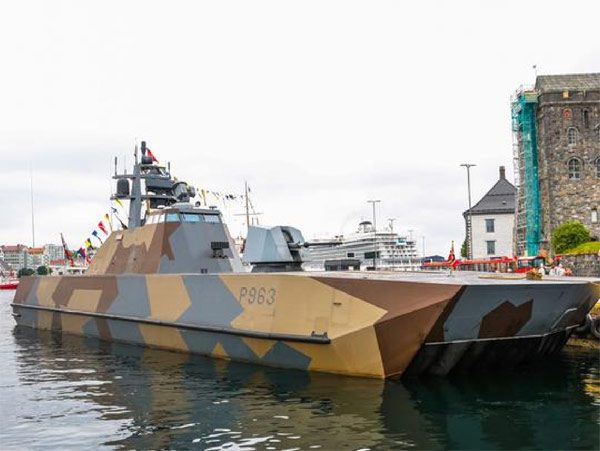
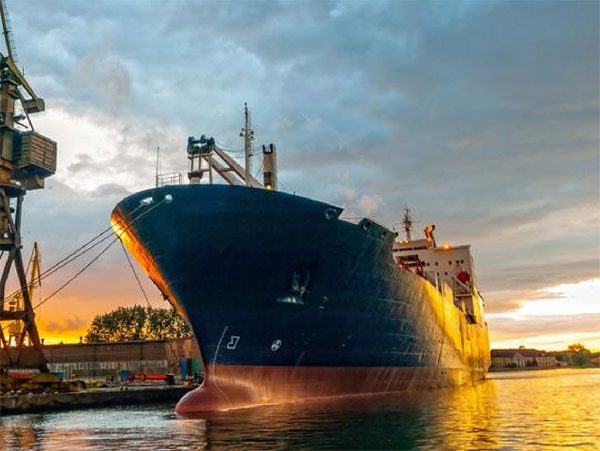
Learn how dolphitech has revolutionised the world of inspections for our customers

COMPREHENSIVE TRAINING AND SUPPORT
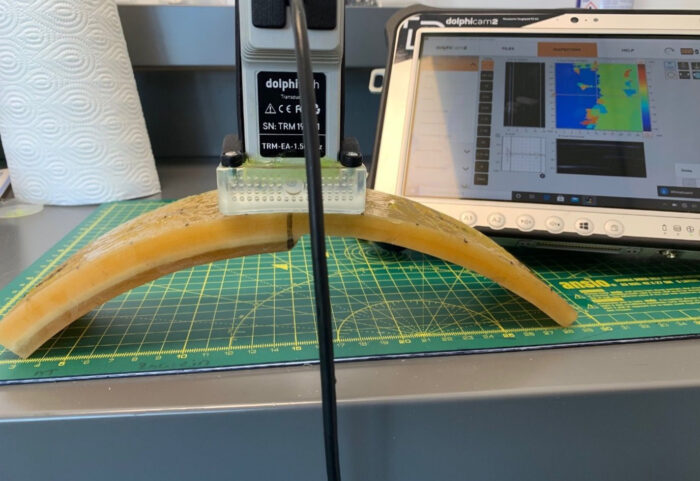
The Dolphicam2 platform requires minimum training to operate. We offer training and support so you can inspect and gather high accuracy and visualised data wherever and wherever it is required. The platform will be ready to use in 60 seconds, increasing efficiency and saving you valuable time between site visits. No more downtime while calibrating your hardware either.
How is NDT used to inspect ships and marine vessels?
Marine vessel inspection covers a wide range of NDT methods depending on the structure being assessed. Hull thickness measurement using ultrasonic testing identifies corrosion and wall loss without requiring dry docking. Weld inspection on hull plating, deck structures and pipework uses ultrasonic, eddy current and radiographic methods. Pulsed eddy current techniques can measure wall thickness through coatings and insulation, which is particularly useful for assessing areas of a vessel that are difficult to access. For composite superstructures and hull sections on modern vessels, matrix array ultrasonic testing provides imaging-grade data that conventional single-element UT cannot match.
Can ships be inspected without going into dry dock?
In many cases yes, and the industry increasingly favours this approach for routine inspections to reduce downtime and cost. Underwater inspection in lieu of dry docking (UWILD) uses robotic crawlers, remotely operated vehicles and specialist diving teams to inspect hull welds, propeller shafts and keel areas while the vessel remains in service. Portable ultrasonic systems can assess internal structures, pipework and deck plating without the vessel being removed from water. Whether dry docking can be avoided depends on the scope of the inspection and the classification society requirements applicable to the vessel.
What standards govern NDT inspection of marine vessels?
Ship inspection is overseen by classification societies such as Lloyd’s Register, Bureau Veritas and DNV, which set the standards and inspection intervals that vessels must comply with to maintain their class certification and insurance. Classification surveys define when and how structural components must be inspected, and NDT forms a core part of these requirements, particularly for welds, pressure-containing systems and structural integrity assessments. Vessels operating in regulated trades also need to comply with flag state requirements and international conventions such as SOLAS.
RELATED PRODUCTS
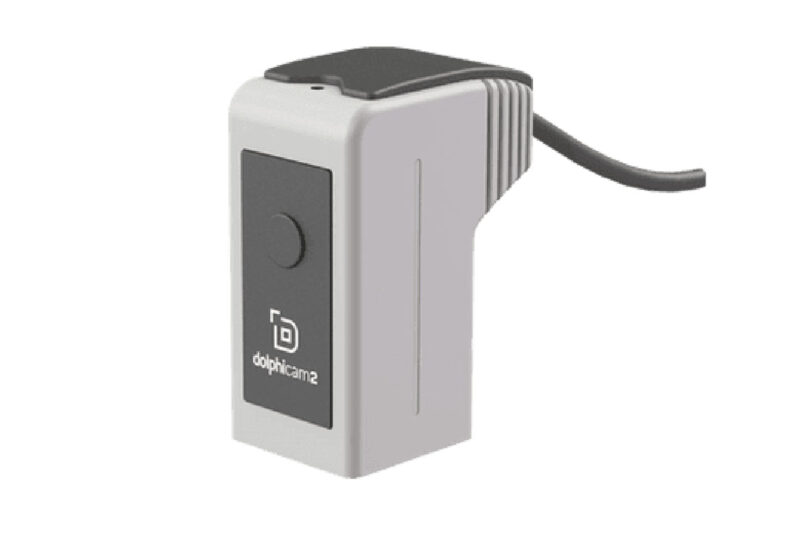
TRM 0.7 MHz
The 0.7MHz transducer module (TRM) is currently our lowest frequency available.
MAUT Transducers (TRMs)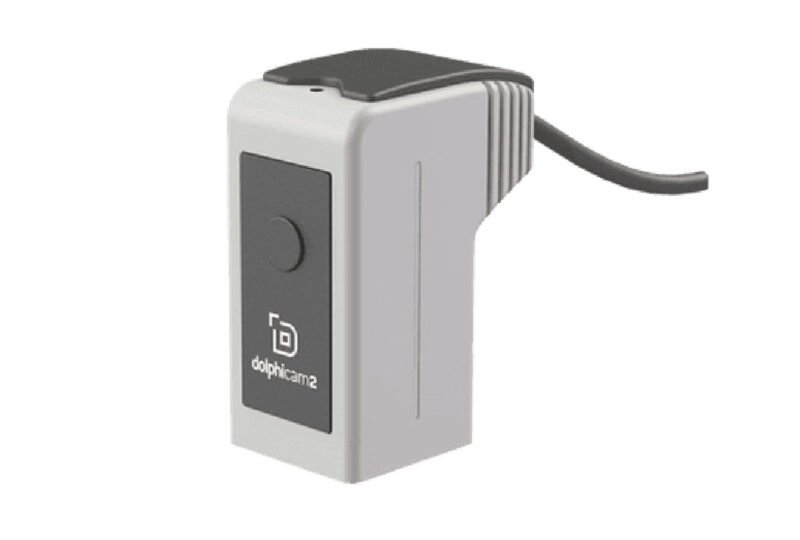
TRM 1.5 MHz
The 1.5MHz transducer module (TRM) is towards the lower end of our frequency range.
MAUT Transducers (TRMs)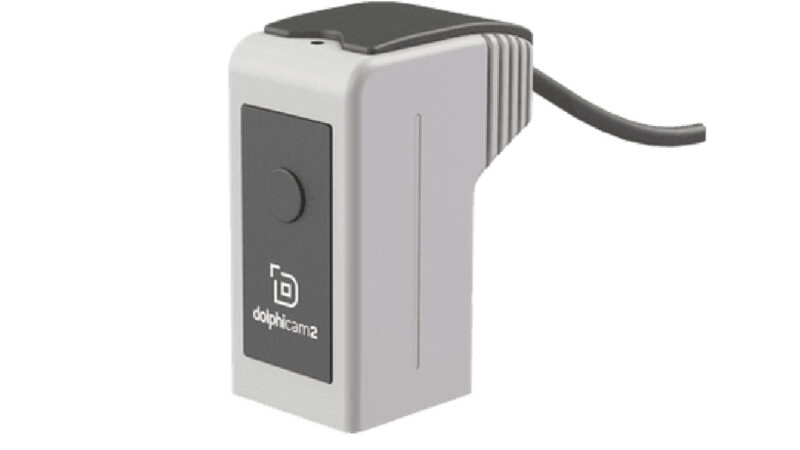
TRM 0.7 MHz
The 0.7MHz transducer module (TRM) is currently our lowest frequency available.
MAUT Transducers (TRMs)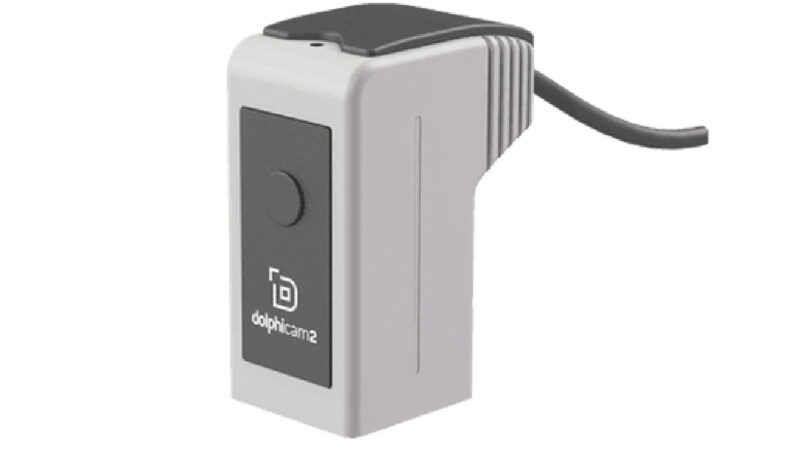
TRM 1.5 MHz
The 1.5MHz transducer module (TRM) is towards the lower end of our frequency range.
MAUT Transducers (TRMs)REQUEST A QUOTE OR SUBMIT AN ENQUIRY
Need help with product information?
Get in touch with our experts for information or a quotation.