

MAXIMISE WIND TURBINE UPTIME WITH FAST, ACCURATE
INSPECTIONS OF BLADES AND COMPONENTS
As the energy transition gains momentum, the ways that companies are meeting their customers’ power needs have grown to encompass a diverse energy portfolio. Conventional and renewable energy sources are changing, with wind, nuclear, geothermal, oil and gas, all bringing their own challenges. With downtime commanding a premium, ensuring the integrity of equipment, materials and components lie at the heart of energy generation success.
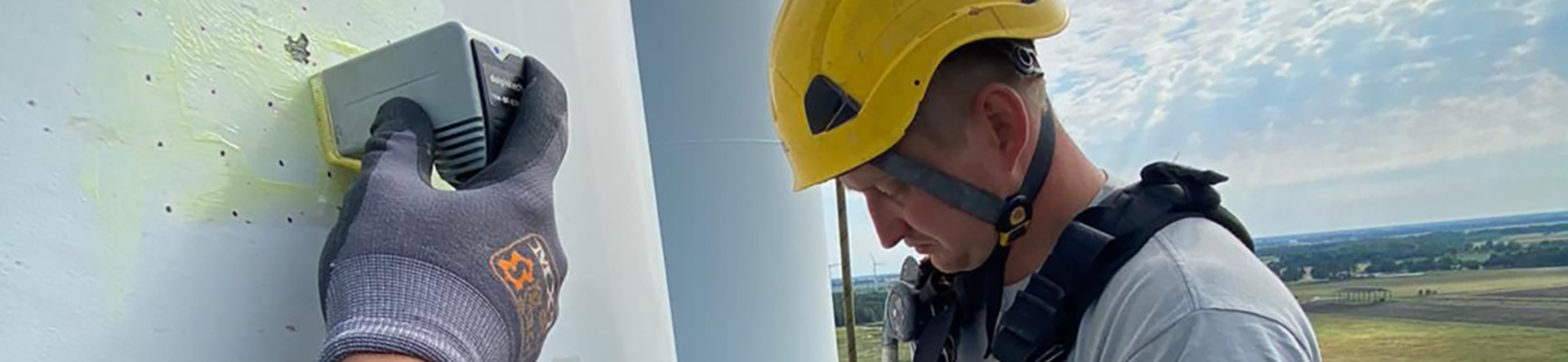
Our cutting-edge Ultrasonic Testing (UT) inspection technology can confirm sizing for defects, damage, and degradation early, before your issues lead to discontinued operations and major shutdowns. The dolphicam2 is ideal for detecting and characterising flaws in wind energy assets, including lightning damage delamination, heat damage, impact damage, disbonds, corrosion, cracking and more.
UNRIVALLED, PATENTED ULTRASONIC IMAGING WITH REAL-TIME RESULTS
Dolphitech’s intelligent approach to problem-solving has delivered cutting-edge Ultrasonic Technology (UT) equipment to the market, providing powerful visualizations of your inspection data instantly. The knowledge you will gain using our dolphicam2 enables improved safety and assurances and as a result, better decision making. From wind blades to pressure vessels, onshore and offshore, the condition of your assets is visible with dolphicam2.
INNOVATIVE NDT TO ENSURE THE INTEGRITY OF YOUR ASSETS
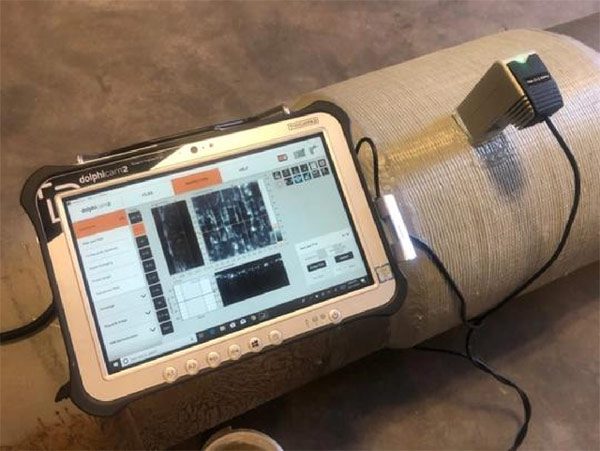
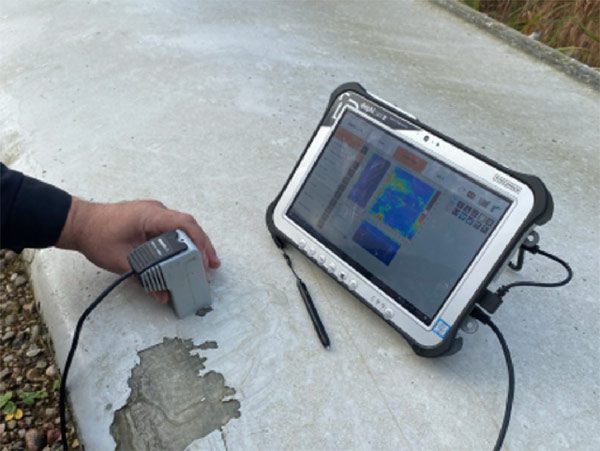
Dolphicam2 is exceptionally good at enabling quick and accurate inspection of materials common to the Wind industry such as: metals, carbon fibre reinforced polymer (CFRP), glass fibre reinforced plastic (GFRP), glass-reinforced aluminium laminate (GLARE), multi-materials and composites.
- Manufacture, fabrication, site and in-field testing
- Advanced and reliable NDT for materials, metals and composites
- Quick and easy to use and deploy
A PORTABLE, VERSATILE AND SECURE TECHNOLOGY PLATFORM
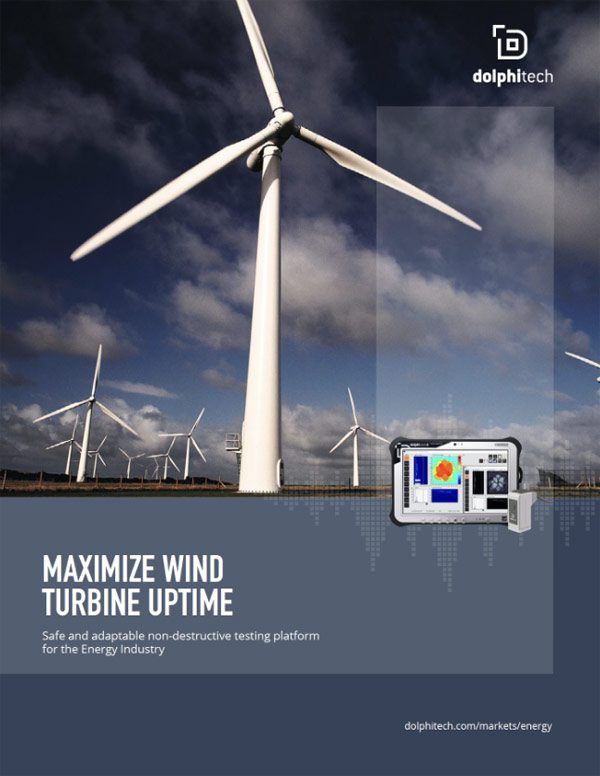
Dolphitech’s flagship UT, dolphicam2 is an ideal platform to detect and inspect damages, defects and degradations. The compact, portable, precise system is ideal for manned and robotic inspections of the materials that make up wind turbine blades.
How is NDT used in the oil and gas industry?
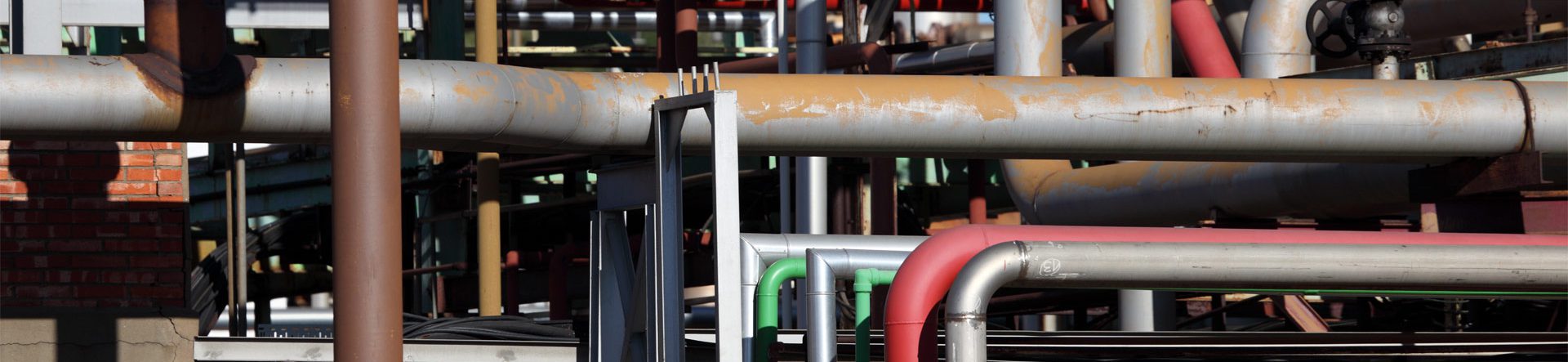
NDT is fundamental to asset integrity management across the energy sector. In oil and gas, ultrasonic testing is used to measure pipe wall thickness and detect corrosion, while radiographic testing and eddy current methods are used to inspect welds, pressure vessels and storage tanks. Long-range guided wave testing can screen large lengths of pipeline for wall loss without requiring excavation or removal of insulation. The goal in all cases is to identify degradation before it causes a leak, rupture or unplanned shutdown, which carries both safety and environmental consequences.
What NDT techniques are used to inspect wind turbine blades?
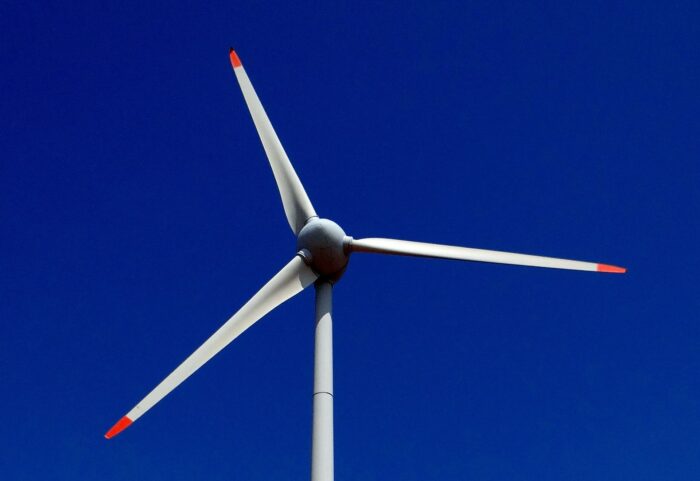
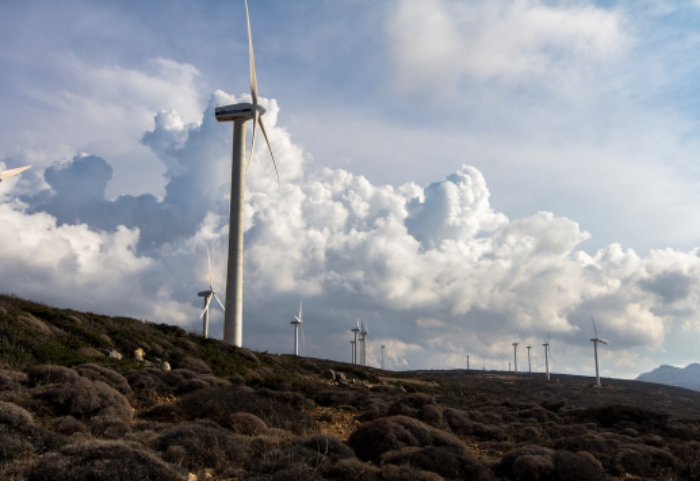
Wind turbine blades are composite structures typically made from glass fibre reinforced polymer, and they are susceptible to lightning strike damage, leading edge erosion, delamination and moisture ingress over their service life. Ultrasonic testing is the primary method used for internal inspection, capable of detecting delamination and bonding failures that are not visible on the surface. Thermography is also used for large-area surveys. The challenge with wind turbine blade inspection is that it often needs to be done at height and without removing the blade, which places a premium on portable, easy-to-operate systems that can produce reliable data quickly in an outdoor environment.
How often do energy assets need NDT inspection?
Inspection frequency is typically governed by a combination of regulatory requirements, industry standards and risk-based inspection programmes. For pressure-containing assets such as pipelines and vessels in oil and gas, codes such as API 570 and API 510 define minimum inspection intervals based on the operating environment and degradation mechanisms present. For renewable energy assets such as wind turbines, inspection is typically carried out annually or following specific events such as a lightning strike. The trend across the energy sector is toward condition-based and risk-based inspection, where data gathered during previous inspections informs the timing and scope of future ones.
CASE STUDIES
Learn how dolphitech has revolutionised the world of inspections for our customers

COMPREHENSIVE TRAINING AND SUPPORT
The Dolphicam2 platform requires minimum training to operate. We offer training and support so you can inspect and gather high accuracy and visualised data wherever and wherever it is required. The platform will be ready to use in 60 seconds, increasing efficiency and saving you valuable time between site visits. No more downtime while calibrating your hardware either.
RELATED PRODUCTS
TRM 0.7 MHz
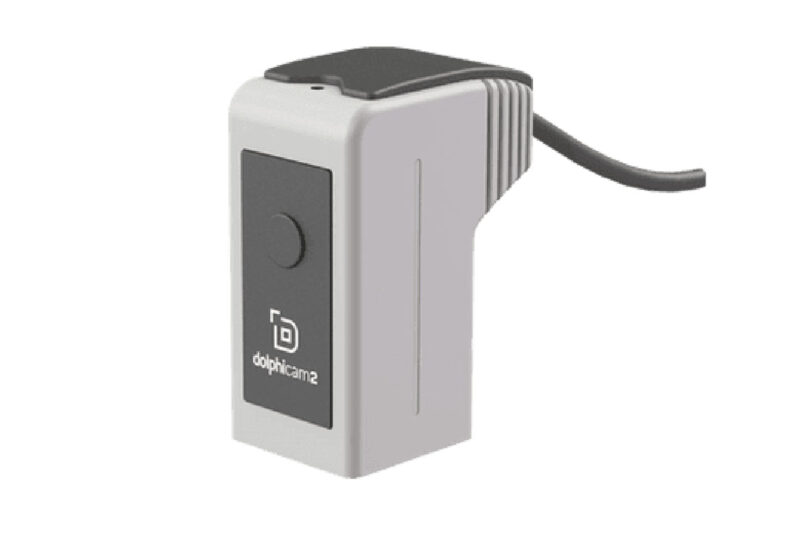
The 0.7MHz transducer module (TRM) is currently our lowest frequency available.
MAUT Transducers (TRMs)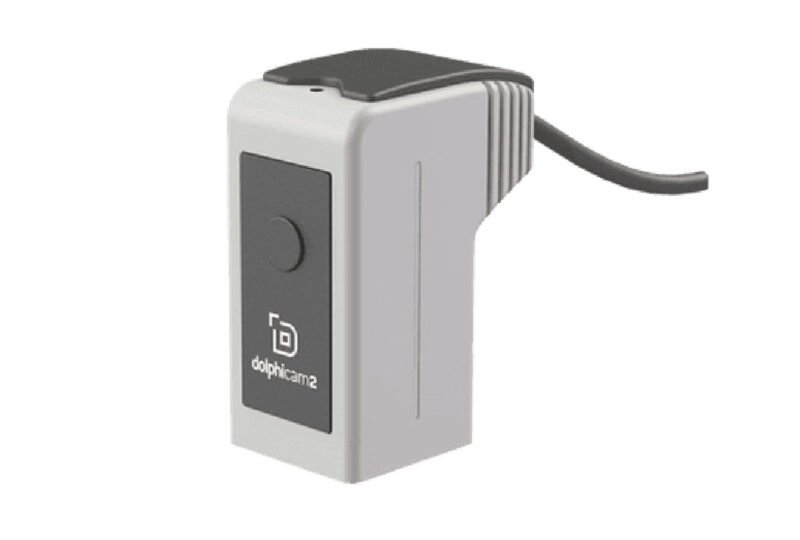
TRM 1.5 MHz
The 1.5MHz transducer module (TRM) is towards the lower end of our frequency range.
MAUT Transducers (TRMs)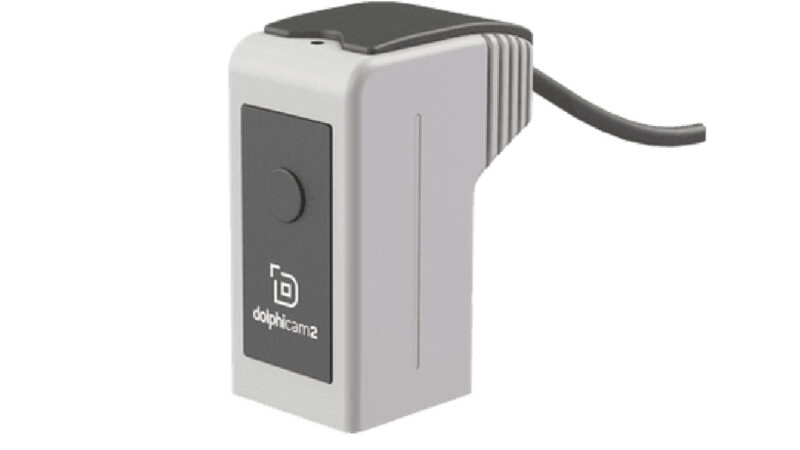
TRM 0.7 MHz
The 0.7MHz transducer module (TRM) is currently our lowest frequency available.
MAUT Transducers (TRMs)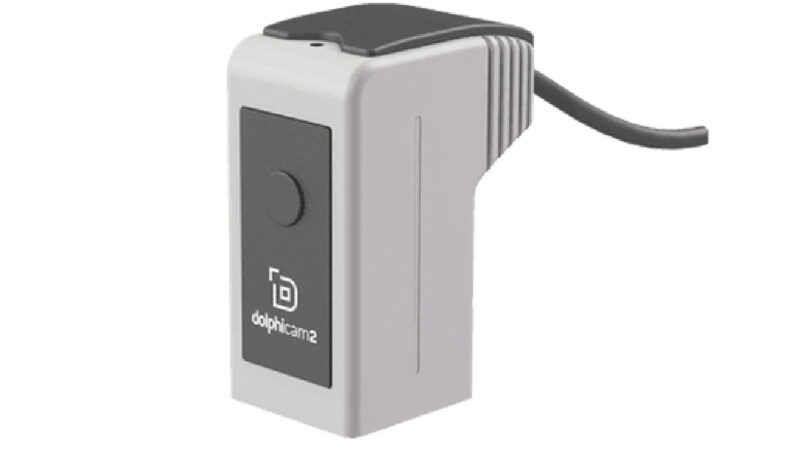
TRM 1.5 MHz
The 1.5MHz transducer module (TRM) is towards the lower end of our frequency range.
MAUT Transducers (TRMs)REQUEST A QUOTE OR SUBMIT AN ENQUIRY
Need help with product information?
Get in touch with our experts for information or a quotation.